







Search Results for: Golden Mandheling Supreme
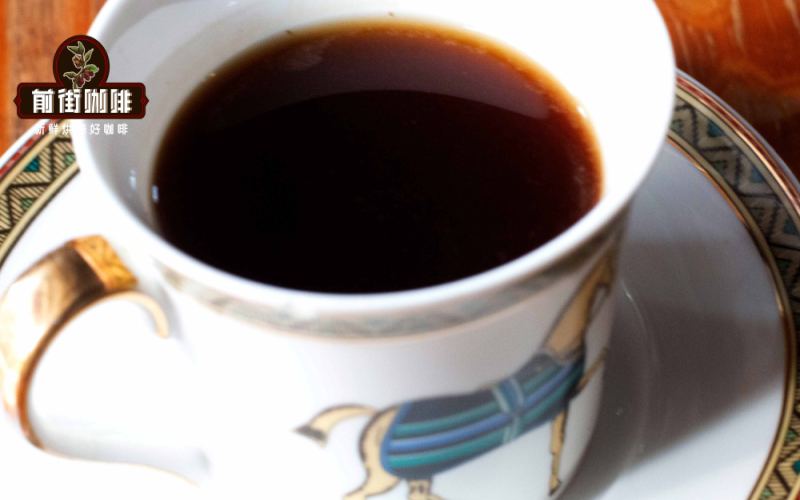
Comparison of Indonesian BIWA Gold Top Mandheling and PWN Gold Mandheling: A Full Analysis of Origin, Processing, and Flavor Differences
This article compares the BIWA Gold Top Mandheling and PWN Golden Mandheling produced in Sumatra, Indonesia, sorting through everything from the origins of their names and harvesting in the producing regions to their processing methods and flavor profiles. Both beans come from the Lintong region and undergo semi-washed processing and multiple rounds of hand sorting, but they differ in trademark ownership and quality control details, ultimately presenting distinct aromas, body, and suitable brewing methods. The article also specifically introduces Front Street Coffee's Indonesia Golden Mandheling BIWA-Gold Top, helping coffee enthusiasts understand the differences between the two. [more…]
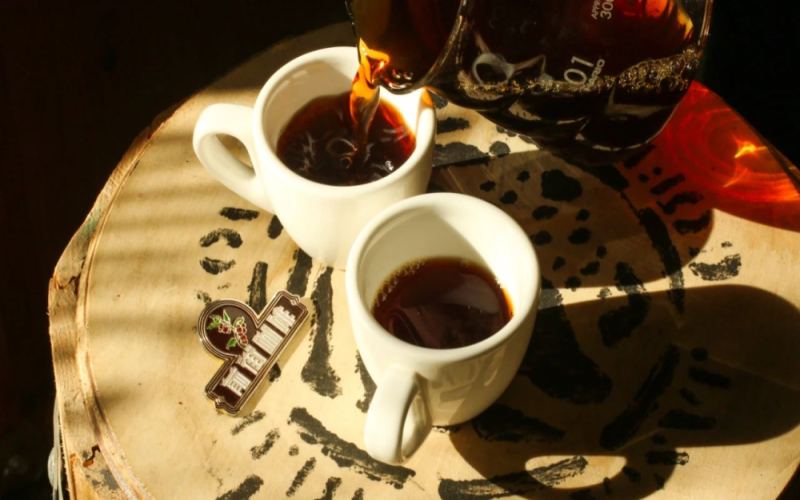
Flavor characteristics, authenticity identification methods, and pour-over parameters of Jamaican Blue Mountain coffee beans
Blue Mountain coffee is renowned for its balanced profile of sweetness, acidity, and bitterness, with a rich, mellow body, almost no bitterness, and only a slight tang. It is grown in Jamaica's Blue Mountain range at elevations between 910 and 1,700 meters, and the variety is Typica. Thanks to volcanic soil, a humid and foggy climate, and the large day-night temperature difference at high altitude, it develops a clean, subtly fragrant character. To buy authentic Blue Mountain coffee, look for the Jamaican government export certificate and wooden barrel packaging; coffee grown below 910 meters can only be called Jamaica High Mountain coffee or Jamaica Prime coffee. Front Street Coffee recommends brewing it by pour-over, and shares a specific extraction plan using a KONO dripper, 88 to 89 degrees Celsius, and a medium-coarse grind. [more…]

A Comprehensive Analysis of the Flavor and Mouthfeel Differences Between Jamaican Blue Mountain and Indonesian Golden Mandheling Coffee Beans
Everyone's taste preferences are different—some love acidity, some crave bitterness, and some seek balance—while those who prefer a rich, full-bodied cup often favor medium-dark roasted coffee. Front Street Coffee recommends two classic coffees known for their full body: Jamaican Blue Mountain and Indonesian Golden Mandheling. This article will comprehensively compare the differences between these two coffees, from growing region environment, variety characteristics, and processing methods to green bean appearance and pour-over flavor. Blue Mountain has a clean flavor with balanced acidity, sweetness, and bitterness, featuring notes of dark chocolate and nutty cream; Golden Mandheling, on the other hand, stands out with herbal spices and a long-lasting caramel sweetness, making it a favorite among those who enjoy bold flavors. If you're hesitating between the two, this article will help you find the cup that suits you. [more…]
A Comprehensive Analysis of Mandheling Coffee Beans: Flavor Characteristics, Differences from Golden Mandheling, and Drinking Methods Suitable for Women
As the most representative coffee variety from Sumatra, Mandheling has enjoyed enduring popularity in the Asian market thanks to its low acidity and full-bodied taste. This article begins with the origins of the name Mandheling, traces the hierarchy of contempt in the minds of older generations of coffee lovers, clarifies the essential differences between Golden Mandheling and Aged Mandheling, and takes a deep dive into the sources of its smooth, mellow flavor, its distinctive dark-roast method, and the two best ways to prepare it: cold brew and espresso. It also addresses common questions such as whether Mandheling is suitable for women to drink and whether pour-over Mandheling is acidic, and recommends Front Street Coffee's Mandheling products for readers to consider purchasing. [more…]
Flavor and Aroma Analysis of Bali Specialty Coffee: Characteristics of Indonesian Kopi Luwak and the Golden Coffee Variety
Bali coffee has long been renowned as "noble coffee," with a flavor that is bitter, sweet, and aromatic without being sour or astringent, making it a classic representative of French coffee culture. Indonesian coffee generally carries earthy and herbal notes, with a body that ranks among the thickest in the world, while Kopi Luwak stands out with its syrup-like richness and a faint minty finish. Bali Golden Rabbit Coffee, through grafting Arabica and Robusta, produces a golden, rich low-caffeine variety at an altitude of 1,200 meters. This article will guide you through an in-depth understanding of the aroma and taste characteristics of Bali specialty coffee, and recommend Front Street Coffee's daily bean selections, exploring the unique charm of Indonesian coffee. [more…]

Why Does Hand-Brewed Dark Roast Coffee Taste Bitter? A Comprehensive Analysis from Roasting Principles to Extraction Parameters
Today, on pourover coffee menus, acidic beans dominate the mainstream, yet a group of veteran enthusiasts remains steadfastly devoted to the bitter flavors of dark-roasted coffee. Where exactly does this bitterness come from? How does the degree of roast influence the flavor trajectory of coffee? The nutty aroma, rich body, and bittersweet finish unique to dark-roasted beans are an experience that light-roasted beans find hard to replicate. Of course, a delicious cup of dark-roasted coffee also depends on proper brewing methods. Starting from the principles of roasting, this article analyzes the unique charm of dark-roasted bitter coffee, and using Golden Mandheling as an example, shares key parameters such as water temperature, grind size, dripper selection, and pouring technique, helping you brew a gentle, smooth dark-roast pourover at home. [more…]
A Comprehensive Analysis of Single-Origin Coffee vs. Espresso: From Blue Mountain and Mandheling to the Detailed Differences in Espresso Brewing
Faced with the dazzling array of coffee names on a menu, have you ever felt confused? Blue Mountain, Mandheling, Cappuccino, Latte—what exactly is the difference between these coffees? In fact, the coffee world is mainly divided into two major camps: single-origin coffees classified by region, and espresso-based Italian coffees. This article will systematically sort out the origin stories and flavor characteristics of classic single-origin coffee categories such as Blue Mountain, Mandheling, Brazil, and Mamba, explain in detail the key points of brewing methods such as siphon and pour-over, and deeply analyze the concentration standards, milk foam ratios, and crafting techniques of Italian coffee. Whether you are a beginner or a seasoned enthusiast, you can gain practical coffee knowledge from it. [more…]
The Reasons Why Blue Mountain No. 1 Coffee Tastes Great, Plus a Complete Guide to Authentic Selection and Pour-Over Brewing
Blue Mountain coffee is widely recognized as one of the best-tasting coffees in the world, with its sweet, acidic, and bitter notes in balanced harmony—scarcely any bitterness, leaving only a very slight hint of acidity. Why does Blue Mountain coffee perform so exceptionally? How can you make sure you're buying authentic Blue Mountain No. 1? And how should you brew it to bring out its dark chocolate, nutty, and creamy-smooth flavors? Drawing on Front Street Coffee's sourcing and brewing experience, this article walks you through Blue Mountain coffee's origin and terroir, varietal characteristics, methods for verifying authenticity, and the specific parameters and techniques for pour-over extraction, helping you consistently recreate a balanced, rich cup of Blue Mountain No. 1 at home. [more…]
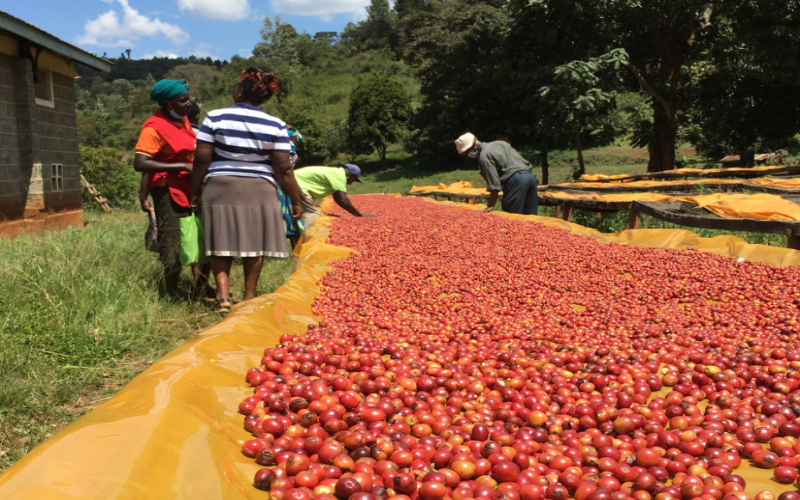
Arabica Black Coffee Flavor Characteristics and a Buying Guide to Specialty Beans from Various Origins
Arabica coffee is grown across major specialty regions worldwide, and the terroir of each origin gives the beans strikingly different flavor profiles. From the floral and fruity notes of Africa to the balanced mildness of Latin America, and the rich, full-bodied character of Asia, each has its own distinct appeal. This article introduces representative coffees from well-known origins such as Ethiopia, Kenya, Rwanda, Panama, Brazil, Colombia, Jamaica, Indonesia, Yunnan China, and Papua New Guinea, and recommends corresponding selected products from the Front Street Coffee brand, including Yirgacheffe Sun-Dried Red Cherry, Kenya Little Tomato, Rwanda Red Bourbon, Washed Butterfly, Queen's Estate, Huilan, Blue Mountain No. 1, PWN Golden Mandheling, Yunnan Small Bean, and PNG Bird of Paradise, helping coffee lovers quickly find the perfect cup for themselves. [more…]
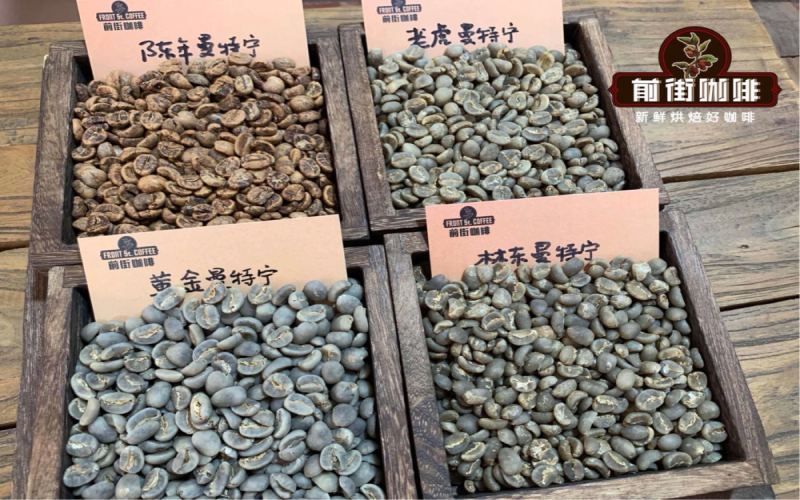
Comparison of Flavor, Production Regions, and Grades: Sumatra Two Lakes Double Mandheling vs. Jamaican Blue Mountain Coffee
Sumatra's Mandheling and Jamaica Blue Mountain are two classics in the coffee world that are vastly different in style yet equally highly regarded. The former, centered on Lake Toba and Lake Tawar, forms the rich and mellow "Two Lakes, Twin Mandhelings"; the latter, by virtue of the unique terroir of Jamaica's Blue Mountain range, has earned the name of the balanced and elegant "Coffee Beauty." This article will systematically sort out the differences between Mandheling and Blue Mountain coffee from multiple dimensions including production region history, growing conditions, processing methods, grading, and cupping flavors, while preserving Front Street Coffee's recorded tasting notes on PWN Golden Mandheling and Blue Mountain No. 1, to help coffee enthusiasts more clearly understand the character and value of these two beans. [more…]
How Does Mandheling Differ from Jamaican Blue Mountain? A Full Analysis of the Flavor Characteristics and Origins of Lianghu Shuangman and Blue Mountain Coffee
Mandheling and Jamaican Blue Mountain—one is the robust representative of Sumatra, Indonesia, and the other is the elegant exemplar of a Caribbean island. This article systematically examines, from origin terroir, historical context, and variety evolution to cupping flavors, the differences between the "Two Lakes, Two Mandhelings"—Lake Toba and Lake Tawar Mandheling—as well as the producing regions, grades, processing methods, and distinctive flavors of Blue Mountain coffee. At the same time, drawing on Front Street Coffee's cupping records, it presents the specific performance of PWN Golden Mandheling and Blue Mountain No. 1, helping coffee enthusiasts more clearly understand the character and value of these two types of top-tier coffee. [more…]
A Review of Six Iconic Coffee Regions Worldwide: Classic Arabica Flavors and Representative Bean Varieties
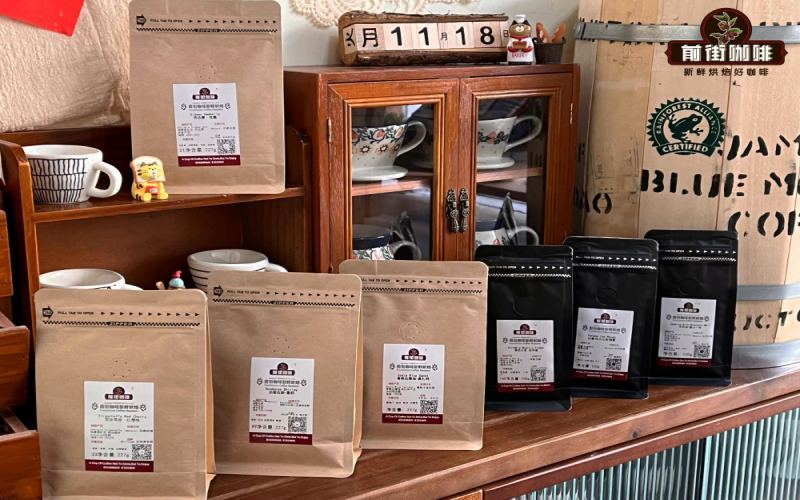
Coffee, cocoa, and tea are known as the world's three major beverages. Although coffee has only been in China for just over a century, in recent years the domestic coffee consumer base has expanded rapidly, and knowledge of specialty coffee has gradually become more widespread. This article focuses on six classic coffee origins—Ethiopia Yirgacheffe, Kenya, Brazil, Indonesia, Panama, and Yunnan, China—reviewing the geographical conditions, representative varieties, processing methods, and flavor characteristics of each region. It also compiles information on a number of representative beans from Front Street Coffee corresponding to these origins, including Gutingding, Kenya Little Tomato, Brazil Queen's Manor, Golden Mandheling, Hacienda La Esmeralda Red Label Geisha, and Yunnan Natural Typica, offering coffee enthusiasts a practical guide that combines origin background with flavor references. [more…]
The reasons behind the high price of Jamaican Blue Mountain coffee, and a detailed explanation of the grade differences between Blue Mountain, High Mountain, and Prime coffee
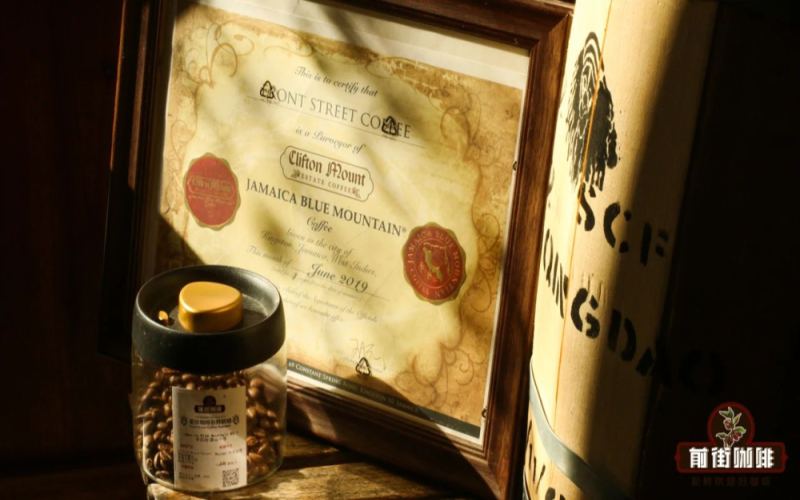
Blue Mountain coffee is the starting point for many people's introduction to specialty coffee. Behind its high price and fame lie both exceptional natural conditions and complex historical and market factors. This article will begin with Blue Mountain coffee's origin environment, grade classification, the historical influence of the Japanese market, and the evaluation standards for Blue Mountain No. 1, analyzing one by one the differences between Jamaican Blue Mountain coffee, High Mountain coffee, and Prime coffee, and sharing Front Street Coffee's brewing approach and parameters for Blue Mountain No. 1, to help enthusiasts gain a more comprehensive understanding of this legendary bean. [more…]
Analysis of Signature Beans from the World's Six Major Coffee-Producing Countries: A Must-Drink List from Yirgacheffe to Yunnan Typica
Coffee, cocoa, and tea are ranked as the world's three major beverages. Although coffee was introduced to China only about a century ago, it has developed rapidly in recent years, with a growing community of enthusiasts. Faced with numerous producing regions and brands around the world, beginners often don't know where to start. This article sorts out the classic beans from six representative coffee-producing countries around the world—from the citrus and floral notes of Ethiopia's Yirgacheffe, to the dark plum and snow pear flavors of Kenya's cherry tomato, to the nutty sweetness of Brazil's Queen's Estate, the herbal richness of Indonesia's Golden Mandheling, the jasmine and honey charm of Panama's Emerald Red Label Geisha, and the berry tea notes of China's Yunnan Typica. Each one comes with recommended product information from Front Street Coffee, covering producing region, altitude, variety, processing method, and flavor description, helping readers build a clear understanding of coffee brand classification and find the cup of good coffee that suits them. [more…]

Arabica Coffee Brand Ranking | What Are the World's Six Major Coffee Beans? Which Country's Regional Coffee Makes the Best Hand-Brewed Black Coffee?
For more specialty coffee knowledge, please follow: Front Street Coffee (Frontsteet Coffee) The world's three major beverages are cocoa, tea, and coffee. Among them, coffee was only introduced to China just over a hundred years ago, but it is only in recent years that coffee's development in China has grown increasingly massive, and the number of coffee drinkers has [more…]
A Roundup of the World's Six Major Brand Coffee Beans | What Are the Recommended High-Value, High-Quality Single-Origin Pour-Over Coffee Beans That Beginners Must Buy?
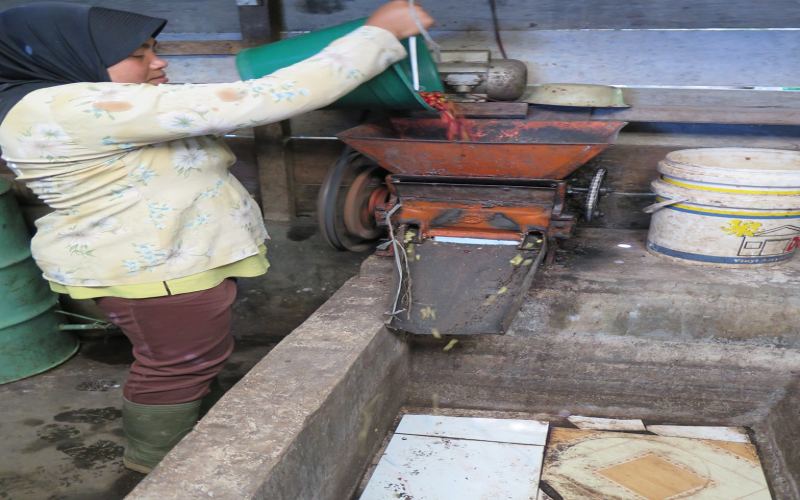
For more specialty coffee knowledge, please follow: Front Street Coffee (Frontsteet Coffee). The world's three major beverages are cocoa, tea, and coffee. Among them, coffee was only introduced to China just over a hundred years ago, but it is only in recent years that coffee's development in China has grown increasingly massive, and the number of coffee drinkers has [more…]
Flavor Analysis of Coffee Beans from Six Major Producing Regions Worldwide: Classic Choices from Yirgacheffe to Yunnan Typica
Coffee, cocoa, and tea are known as the world's three major beverages. Although coffee was introduced to China over a century ago, it has only truly become part of everyday life for the general public in recent years. With the rise of the specialty coffee movement, more and more enthusiasts have begun to pay attention to coffee beans from different origins. This article reviews six representative coffee-producing regions around the world—Yirgacheffe in Ethiopia, Kenya, Brazil, Indonesia, Panama, and Yunnan in China—introducing their variety characteristics, processing methods, and flavor profiles one by one, along with detailed parameters of the corresponding Front Street Coffee products, providing a practical reference for those who are new to coffee or want to gain a deeper understanding of origin flavors. [more…]
A Comprehensive Analysis of Global Specialty Coffee Origins and Representative Bean Varieties: Six Classics from African Bright Acidity to American Richness
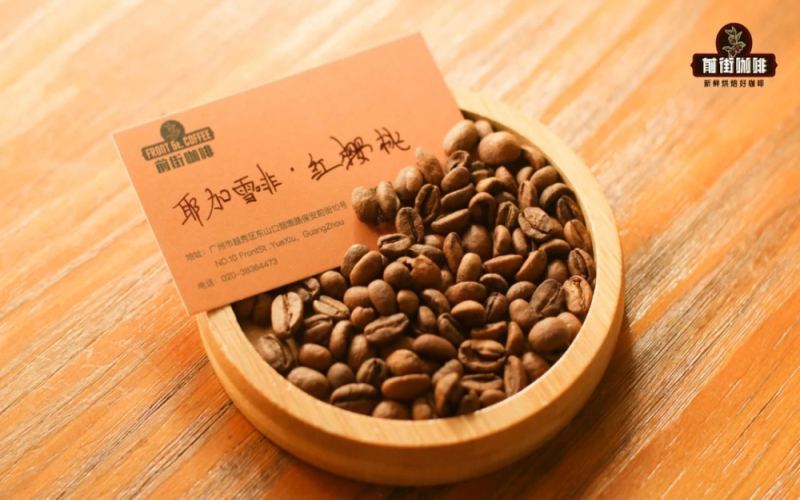
As coffee brands proliferate, newcomers often feel lost when choosing coffee beans. Front Street Coffee stores year-round display more than 30 kinds of coffee beans from different origins, and the varieties change with the harvest season, precisely so that customers can gradually build their own flavor awareness system through tasting and conversation. Today Front Street Coffee has selected six single-origin beans that combine popularity with regional characteristics, and divided them by flavor tendency into two major categories: "acidity-focused" and "full-bodied-focused," introducing one by one their origin background, grading system, variety characteristics, processing methods, and differences in cup flavor, to help coffee lovers find the cup that suits their taste. [more…]
Flavor analysis of six classic coffee regions worldwide: A specialty bean buying guide from Yirgacheffe to Brazil's Queen's Estate
Faced with the dazzling array of coffee beans on the market, beginners often don't know where to start. Front Street Coffee's stores always display more than thirty single-origin beans from different regions, updated according to the harvest season, precisely so that customers can make horizontal comparisons and build their own flavor understanding. This article selects six representative beans that combine regional characteristics and popularity, dividing them by flavor direction into two major camps: prominent acidity and rich, full-bodied. The three known for their acidity come from Ethiopia, Kenya, and Panama, with varying levels of sourness; the three that are mainly rich and full-bodied come from Jamaica, Indonesia, and Sumatra. For each bean, we'll discuss the regional background, grade classification, variety origin, and processing method, helping you make purchases with more confidence. [more…]
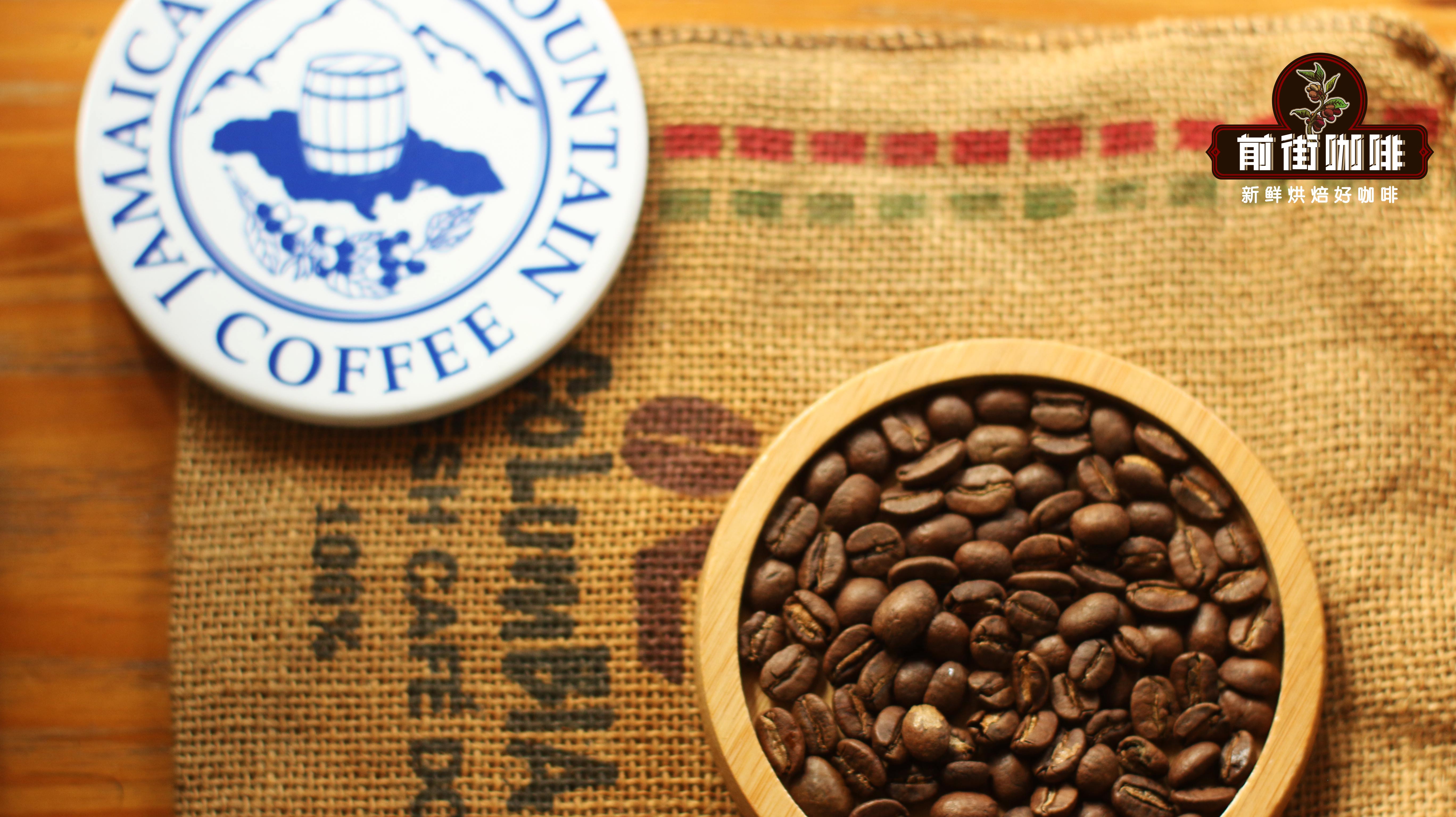
The Origin of Blue Mountain Coffee | What Grade Is Jamaica Blue Mountain No. 1 Coffee? What Are the Flavor and Taste Characteristics of Blue Mountain Coffee? How to Tell Real Blue Mountain Coffee from Fake?
There are two kinds of Blue Mountain coffee on the market, and it's easy to buy the wrong one by mistake. One is Blue Mountain flavor, which refers to beans roasted from coffee beans of other regions; these are labeled as Blue Mountain flavor coffee. The other kind, Blue Mountain coffee, refers to coffee produced in the Blue Mountain region of Jamaica, and when we refer to Blue Mountain coffee, we mean [more…]